Curiosity Meets Keyboard: Dive Headfirst Into Learning
Crest of Curiosity: "Getting Started with CrossFit for Beginners"
Ready to dive into CrossFit basics? You’ll find lessons, honest discussions, and a place to ask real questions—trust me, nobody starts out perfect. I’ve seen how sharing stories builds confidence here. Let’s start your journey, one rep at a time.
Analyzing Who Stands to Gain from Our Course
Strengthened ability to address digital inequality
Heightened resilience to challenges.
Strengthened ability to prioritize tasks
Strengthened ability to manage deadlines.
Increased cultural awareness



Step In—Your CrossFit Adventure Begins
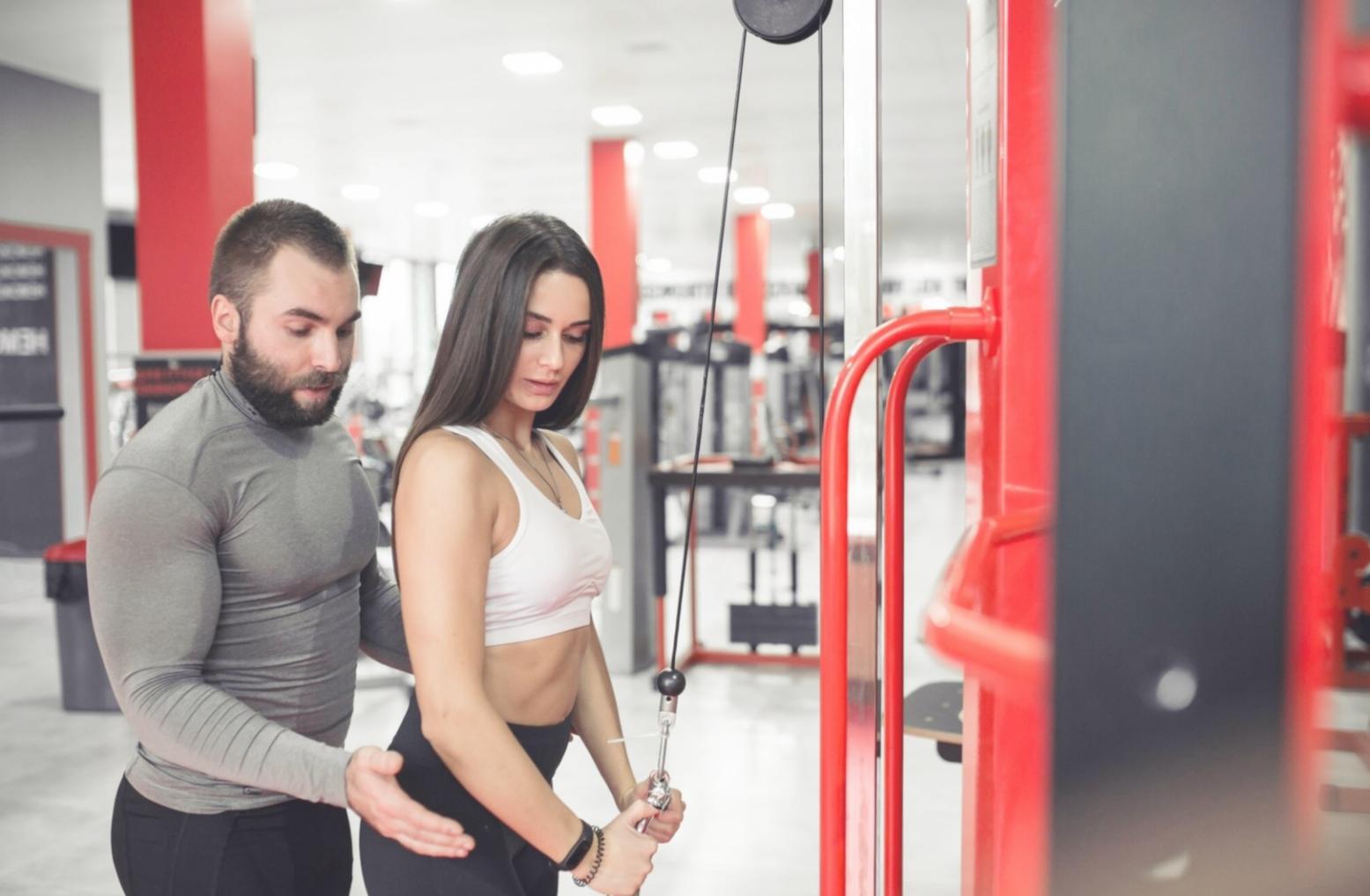
Health Walking into a CrossFit class for the first time, there’s this odd mix of anxious excitement and a kind of low-key dread—I still remember my first time, and the way everyone else seemed to know what to do with barbells and bands. Most introductory courses try to smooth things over with a big welcome and a strict progression, but that’s not really what we do. We lean into letting beginners see the messiness of real movement, the sweat and frustration, right next to the little victories. There’s no pretense about “mastery in a month.” Instead, we invite people to get comfortable with being beginners, which sounds simple but is surprisingly tough for adults. A lot of traditional teaching focuses on breaking everything down, piece by piece, before ever trying a full workout. That’s helpful, up to a point—except, I’ve noticed, it can leave people frozen when the structure disappears. Our approach stirs the theory into the practice, right from the start. You’ll hear us talk about the “why” of a squat, sure, but then we’ll ask you to try it under fatigue, or with an odd object, or after failing a couple times. Application isn’t just a final test here—it’s woven into every session, so that the lines between learning and doing blur. And yes, some days that feels chaotic. But the real world rarely hands you perfect conditions, so we don’t either. Honestly, people new to CrossFit often struggle most with their own expectations—wanting to “get it” right away, or feeling like their fitness history should translate neatly. We talk about this openly. There are moments where someone’s convinced they’ll never manage a clean, and then, weeks later, you see a flash of understanding in how they move. The shift isn’t just in their form, but in their confidence—suddenly, they’re willing to try and fail, to adjust without overthinking every detail. That’s what really separates beginners from practitioners: not just knowing what a kettlebell swing is, but being able to adapt that swing when the floor is slippery or their energy’s flagging. It’s a difference you can feel, even if you can’t always measure it. We don’t promise that everyone who comes through will fall in love with every aspect of CrossFit, or even that the path will be smooth. Sometimes it’s rough, and sometimes the theory feels disconnected from what your body’s doing. But what we see, over and over, is that people grow into the space between knowing and doing—learning to question, to experiment, and, eventually, to trust themselves enough to step into any gym, any context, and move with a little more certainty. That’s what “health” means here. Not just a checklist of movements or a string of personal records, but the lived experience of making all that practice your own.
Embark on Excellence: The Experience Ahead
Improved understanding of online cybersecurity protocols
Streamlined strategies for professional development
Better understanding of online communities
Greater awareness of virtual conference etiquette
Improved ability to facilitate online learning community technology innovation
Improved understanding of cyber ethics
Enhanced adaptability to online learning community user feedback mechanisms
Improved ability to conduct virtual music performances
Discover online learning that works for you. Study at your own pace with structured and expert-led courses.
Our Business Cornerstone
-
Expert-Guided Learning for Every Level
Ever notice how the first step into something new—especially fitness—can be the trickiest? There’s excitement, sure, but also a bunch of nerves wrapped up in questions. Am I doing this right? Where do I even start? That’s the thing about learning: everyone brings their own mix of curiosity and hesitation. And honestly, the best educators know how to meet people right there, at that crossroads of “Can I?” and “How do I?” When it comes to introducing folks to CrossFit, Vorenavi does something that, in my experience, most programs miss—they treat learning as a partnership, not a transaction. Instead of bombarding newcomers with jargon or tossing them into the deep end, they build each lesson around practical movement, encouragement, and real-world progress. It’s not about being the strongest or fastest; it’s about understanding your own body, building confidence, and celebrating small wins. There’s a kind of warmth in the way their coaches interact—almost like chatting with a friend who just happens to know a lot about fitness. I remember my first class feeling less like a bootcamp and more like a community meetup, where questions were welcome and every attempt counted. What truly stands out is how they balance structure with flexibility. Maybe today you’re feeling bold, ready to push; tomorrow, you might just want to master the basics. Either way, their programs are designed to meet you there. And let’s be honest—so much of learning is about feeling seen and supported. With Vorenavi, that support is woven right into the experience, from the first introduction to the moment you look back and realize you’ve come farther than you ever thought possible. -
Our Online Learning Vision
What really sets the virtual classroom apart is how it feels more like a well-run gym session than your typical online lecture. There’s this sense of presence—athletes can see each other sweat, struggle, and improve, all in real time, even if they’re continents apart. The interactive tools aren’t just for passive watching; you’re prompted to jump in with questions, share clips of your form, and get feedback from coaches who actually notice the little things—like the angle of your squat or the way you grip the bar. I’ve seen people form small groups to tackle drills together, swapping pointers in chat or on video. It’s not just technical instruction, either; sometimes a coach will throw in a story about their first ripped callus, and suddenly you remember you’re training with real people, not just avatars on a screen. One thing that’s always impressed me is how seriously they take quality control—honestly, it’s almost obsessive. Every class is recorded, not just for students to review later, but so trainers can do self-audits and peer reviews. I once heard about a session where a coach spotted an error in their own cueing and flagged it for correction, and the team discussed it in their weekly check-in. They even pull in feedback from participants—sometimes brutally honest, but always taken in stride—to tweak the next session. I think this kind of self-reflection and willingness to fix things on the fly keeps the whole operation grounded and authentic. In the end, it’s this constant loop of interaction, feedback, and adjustment that makes the learning stick—and, if I’m honest, keeps me coming back for another round.
Get the Answers
Get in Touch
-
Via Tarquinio Prisco, 1, Milano
-
+3902867694